

Salesforce’s announcement of a headless architecture is one of the most significant SaaS industry moves of 2026. It might not sound dramatic at first — a backend technical decision by an enterprise CRM company. But the implications for how SaaS products are built, sold, and used are substantial enough that every SaaS buyer and builder needs to understand what is happening.
What Headless Salesforce Actually Means
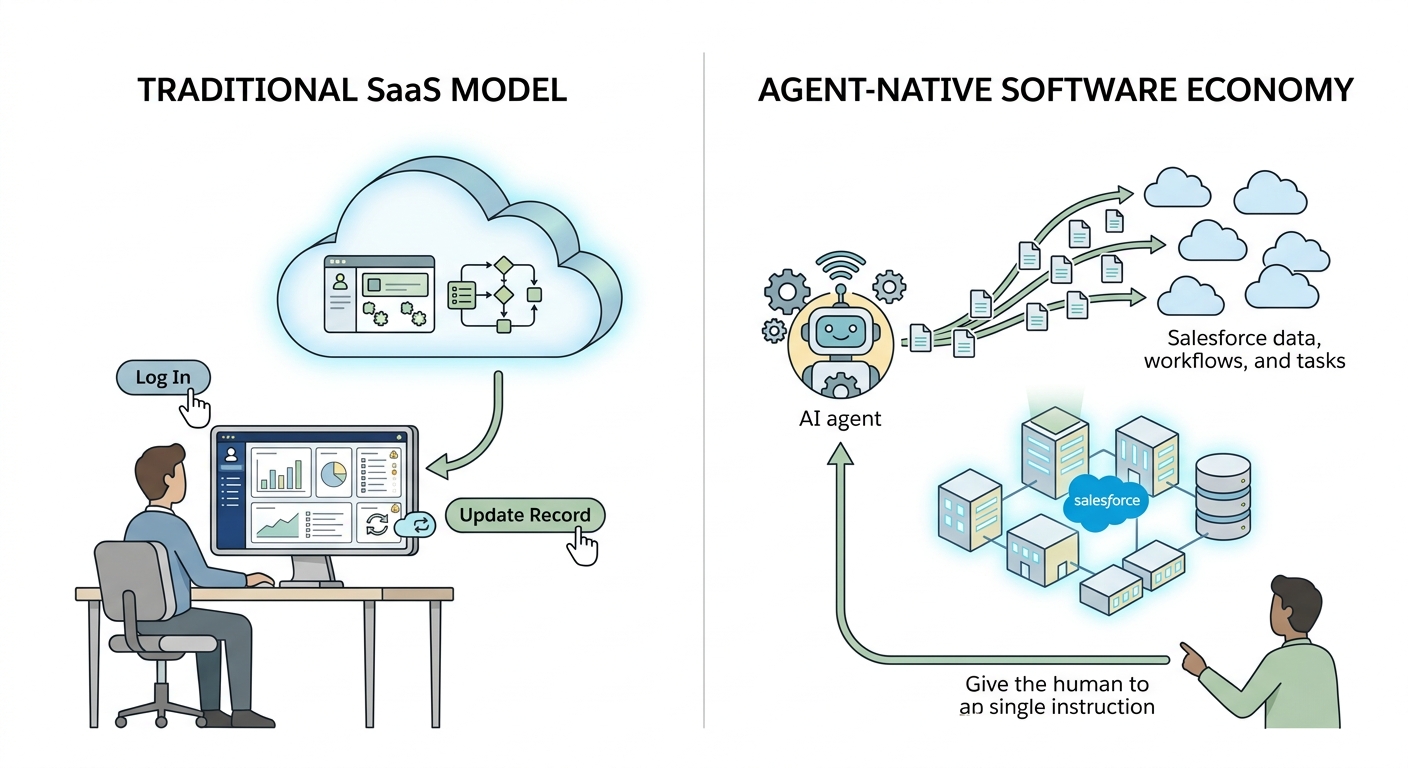
Salesforce has exposed its entire platform through APIs, meaning AI agents can now access Salesforce data, workflows, and tasks directly without using the traditional Salesforce interface at all. A human does not need to log into Salesforce, open a record, and update a field. An AI agent does it automatically in the background based on instructions.
This is what is being called the “agent-native” software economy — where AI agents become the primary interface and SaaS platforms become invisible backend infrastructure. The traditional SaaS model assumed a human user sitting at a dashboard. The new model assumes an AI agent calling an API.
What SaaS Buyers Should Think About Right Now
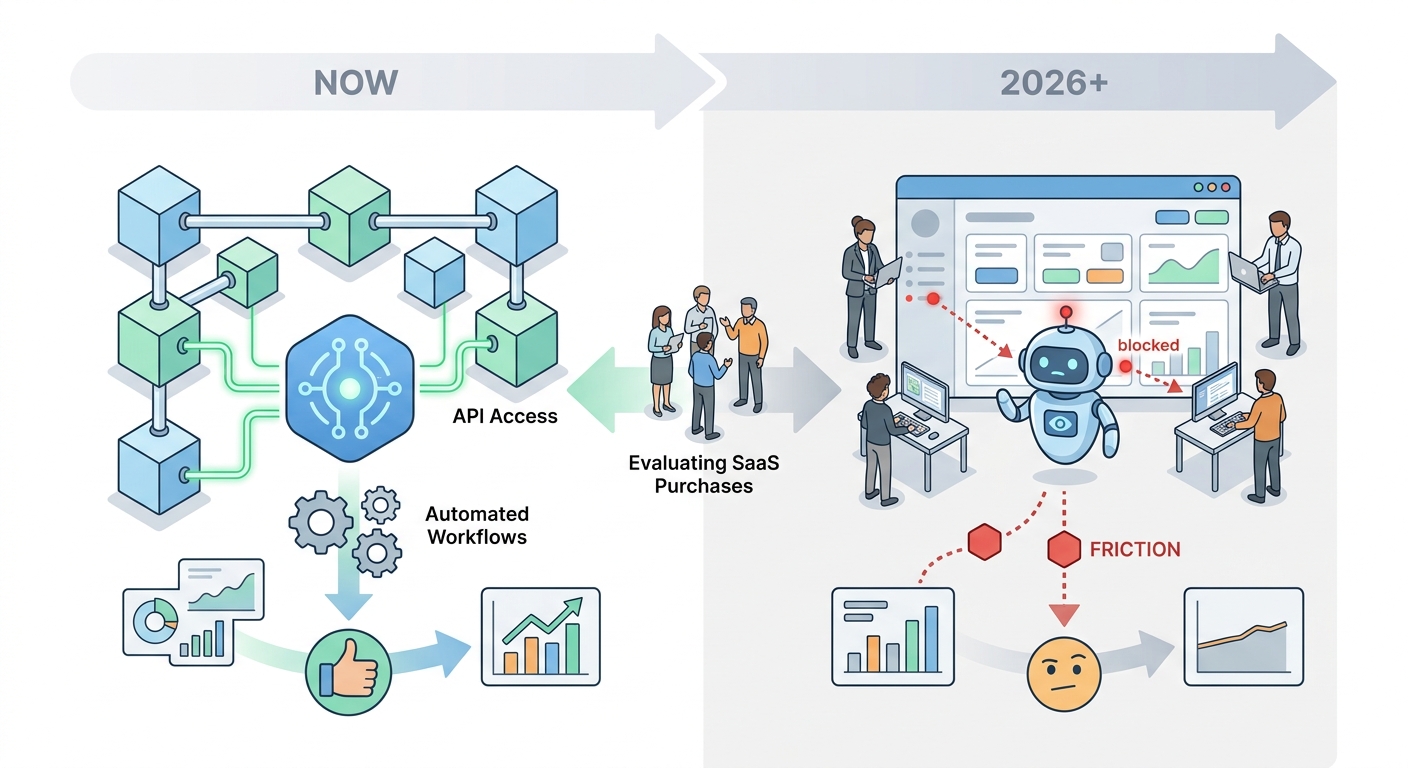
For SaaS buyers in 2026, the Salesforce move raises a practical question about every tool in your stack: can it be reached by an AI agent, or does it require a human to operate its interface? The tools that expose clean APIs and support agent access will become more valuable as AI workflows become standard.
The ones built around human dashboards only will become friction points. This is not an immediate crisis — most businesses are not yet running fully agent-automated workflows. But the direction is clear, and evaluating new SaaS purchases with this in mind now will save painful migrations later.
Salesforce going headless is not just a product update. It is a signal about where every enterprise software category is heading in the next three years.
Quick Links:
Comments
Be the first to leave a comment.