
The venture capital world has not slowed down its enthusiasm for AI-powered SaaS. If anything, the checks are getting bigger. But something important has changed: investors are no longer writing blank checks to anything with “AI” in the pitch deck. The bar for what gets funded has risen sharply, and the pattern of which companies are winning is now quite clear.
The pattern from September 2026 funding rounds is clear — AI infrastructure, fintech tools, legal tech, and European deep tech are where serious money is landing. Investors want traction, a business case they can explain simply to their own LPs, and proof of demand. Vague AI claims and feature-heavy decks are being ignored. The startups getting funded right now can map directly to a hot capital narrative and back it with real buyer logic. SaaS Ultra
This is a meaningful shift from 2024 and early 2025, when the AI hype cycle was still throwing money at early-stage products without much scrutiny. The market has matured, and the investors have gotten sharper. That is actually healthy for the SaaS ecosystem — it means real products solving real problems are getting the support they need, while trend-chasers are getting filtered out.
Vertical AI SaaS is the winner
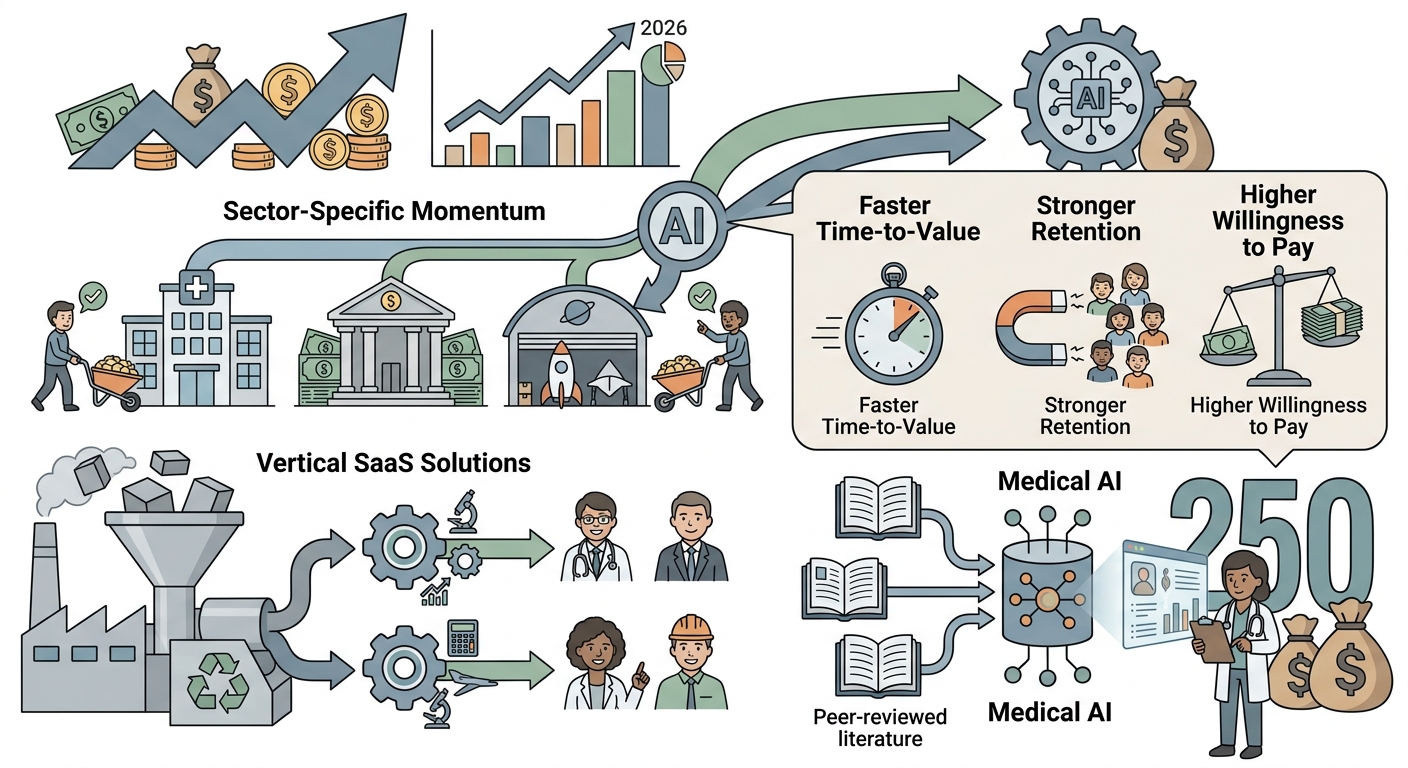
Investment in AI-driven SaaS platforms is reaching new heights in 2026. Sector-specific momentum is particularly strong — industries like healthcare, finance, and aerospace are attracting targeted investments, with vertical SaaS solutions seeing a surge in funding. Investors are no longer interested in general AI tools but rather industry-specific solutions that show faster time-to-value, stronger retention, and higher willingness to pay.
The clearest example of this right now is medical AI. OpenEvidence raised $250 million in a Series D round at a $12 billion valuation. The platform is used by over 700,000 physicians as a clinical decision-support tool offering evidence-based, real-time medical guidance trained specifically on peer-reviewed literature and clinical guidelines.
That is the kind of vertically-focused, deeply trusted product that investors are backing at scale right now — not broad AI assistants, but tools that have embedded themselves into specific professional workflows.
What enterprise generative AI spending looks like
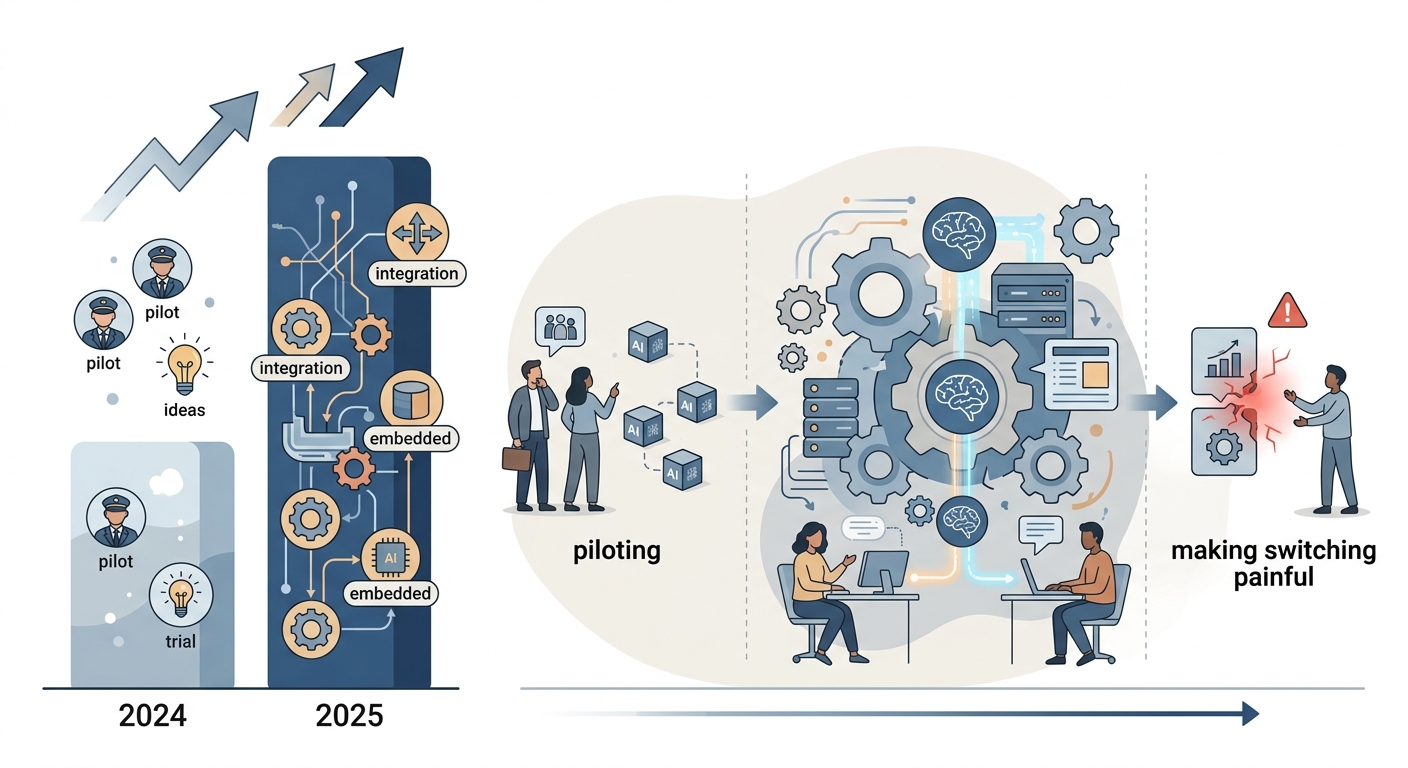
Enterprise generative AI spend reached $37 billion in 2025, up from $11.5 billion the year before, as companies across industries moved from piloting AI tools to embedding them in core operations. Late-stage and technology-growth dealmaking drew $191 billion for the full year, up 75% from 2024.
That kind of growth does not happen accidentally. It reflects companies that moved past the “let’s try this” phase and are now building actual operational dependency on AI tools. That is what SaaS companies should be aiming for — not trial signups, but deep integration that makes switching painful.
💬 Reddit signal: r/SaaS and r/startups are full of founders this week asking whether the AI funding wave is over. The consensus from experienced operators is consistent — the hype money is gone, but the real money has gotten bigger and more selective. If you are solving a specific, painful, expensive problem with measurable ROI, funding is available.
🐦 Twitter/X signal: Investors on X like @Jason and @pmarca have been clear about this shift. The threads generating the most discussion all point to the same thing — vertical specificity and demonstrable traction over horizontal ambition and vague market sizing.
The message for SaaS builders is clear. Narrow your focus. Pick a specific industry or workflow. Build something so valuable that losing it would genuinely hurt your customers. That is what gets funded and — more importantly — that is what builds a durable business.
Quick Links:
Comments
Be the first to leave a comment.