
Suleyman’s comments are landing at a very specific moment. Financial markets have already begun pricing in AI’s disruptive potential — in February, software stocks suffered a significant sell-off driven by automation fears, which analysts called the “SaaSpocalypse,” referring to the software-as-a-service sector. That sell-off came right after Anthropic and OpenAI announced agentic AI systems that can perform many of the core functions of enterprise SaaS platforms. When the AI chief of the world’s largest software company then predicts full office automation within 18 months, markets listen — and they react. MSN
Employment consultancy Challenger, Gray and Christmas recorded approximately 49,135 job cuts this year attributed to AI. Microsoft itself cut 15,000 workers last year, and while the company did not cite AI as the primary reason, these numbers are already shaping how workers and investors think about the next 18 months. MSN
What This Means for Office Workers Right Now
Suleyman believes that AI agents will coordinate better with large businesses in the next three years and that the technology will learn by itself and improve over time. His vision is not one where AI replaces humans overnight — he insists the technology is designed to enhance human wellbeing and remain under human control. But the gap between that reassurance and his 18-month automation timeline is significant. LADbible
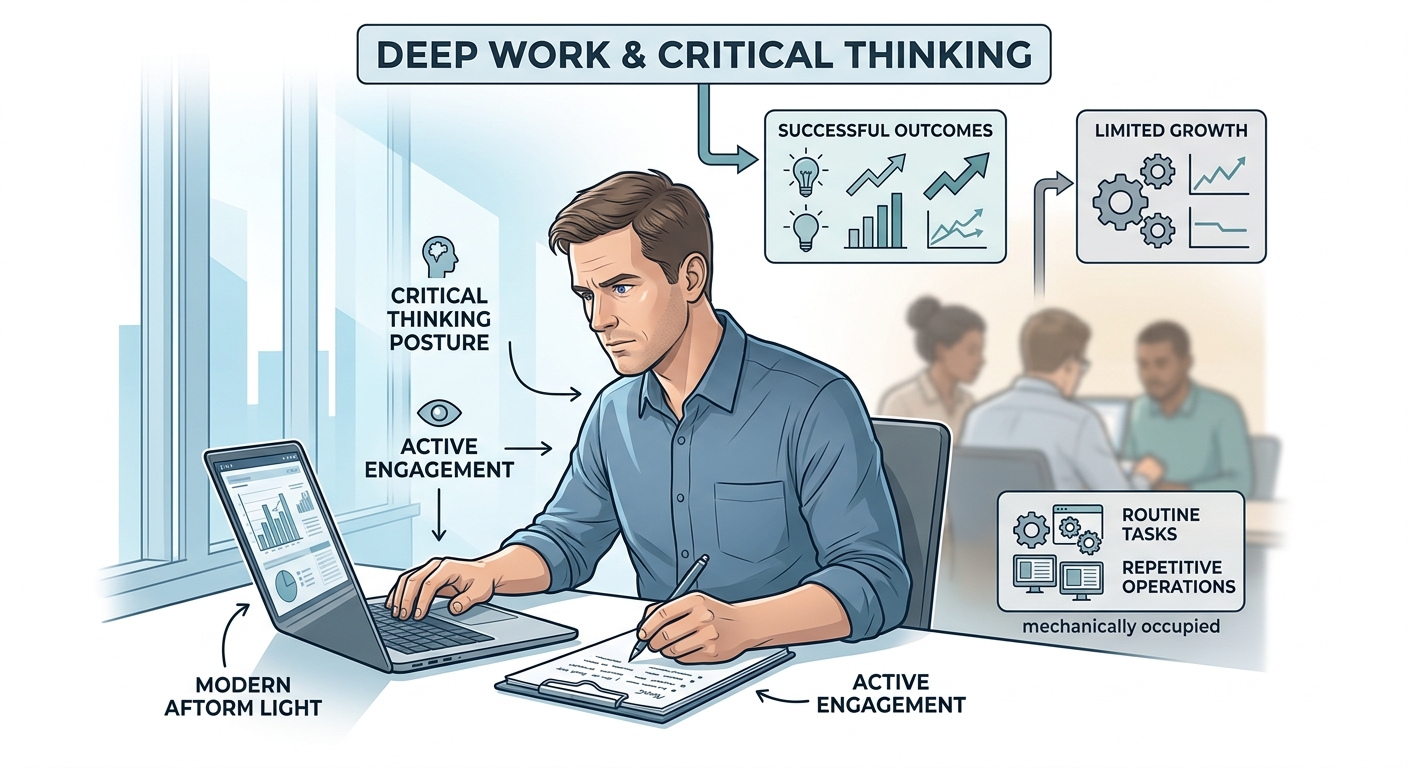
For office workers, the practical takeaway is this: the roles most at risk are those that are purely task-based with no judgment, creativity, or relationship component. Lawyers who only draft standard contracts, accountants who only run spreadsheets, marketers who only write basic copy — these are the functions AI can already handle. The professionals who adapt by using AI as a tool rather than competing against it as a replacement are the ones who will be most secure on the other side of this shift.
Quick Links:
Comments
Be the first to leave a comment.