
The Biggest IPO Filing in History and What the Numbers Say

SpaceX publicly filed its S-1 prospectus on May 20, 2026 — targeting a Nasdaq listing under the ticker SPCX at a valuation of approximately $1.75 trillion, which would make it the largest IPO in history. The filing disclosed $18.67 billion in 2025 consolidated revenue following the February 2026 all-stock acquisition of xAI. Q1 2026 revenue came in at $4.69 billion.
Within 24 hours of the SpaceX filing, CNBC and the Wall Street Journal both reported that OpenAI is preparing to confidentially file its own IPO prospectus imminently, with Goldman Sachs and Morgan Stanley advising, targeting a September 2026 listing above a $1 trillion valuation. The combined new equity supply from both listings could approach $135 billion — a scale with little modern precedent.
What This Means for SaaS Investors and Founders

Two of the most consequential technology companies of this era hitting public markets in the same quarter creates a significant capital reallocation moment. For SaaS founders in the fundraising process right now, the SpaceX and OpenAI IPO timelines matter because they will absorb institutional attention and capital that might otherwise be flowing into growth-stage private rounds.
The practical advice from investors: if your Series A or B raise is in progress, close it before September. If you are pre-raise, the period between now and the OpenAI IPO filing is likely the clearest window. The IPOs will also establish public market benchmarks for AI-native companies that will directly reset private valuation expectations across the SaaS ecosystem — for better or worse.
Nvidia Just Posted 85% Revenue Growth and Forecast $91 Billion Q2 — The AI Infrastructure Bill Is Real
The Numbers from Nvidia’s Q1 2026 Earnings

Nvidia reported this week — data center revenue nearly doubled year-over-year, coming in at $75.2 billion for Q1 2026. The company forecast $91 billion in Q2 revenue, beating Wall Street expectations. Alongside the earnings, Nvidia announced an $80 billion share buyback and increased its quarterly dividend to $0.25 per share (up from $0.01).
The board also disclosed plans to ship no Hopper products to China following Beijing’s discouragement of domestic Nvidia purchases, creating a $4.6 billion hole compared to Q1 of the prior fiscal year. Despite that headwind, the data center business is growing fast enough that the China gap barely registers in the headline numbers.
What Nvidia’s Growth Rate Tells SaaS Companies About the AI Infrastructure Spend
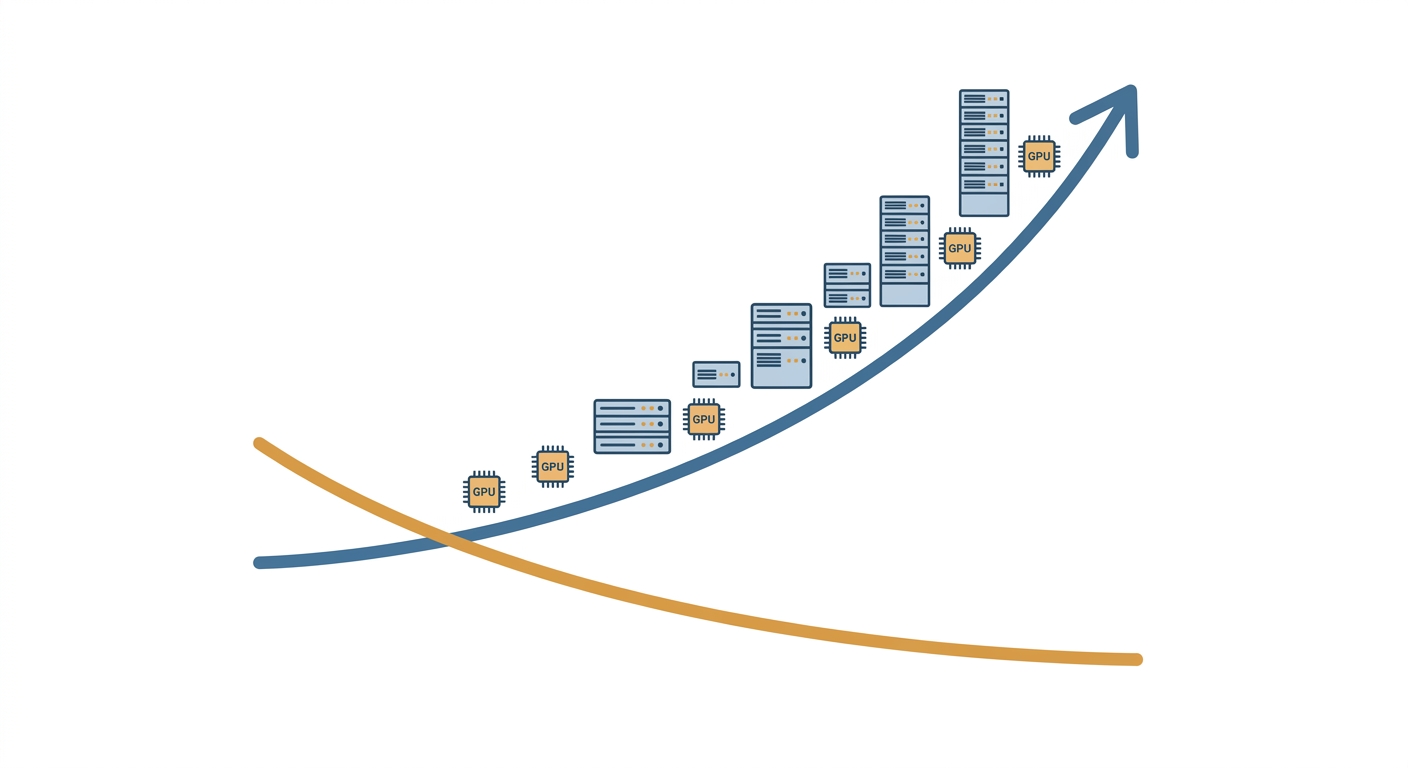
Nvidia’s 85% revenue growth is not just a hardware story — it is the clearest indicator available of how much money is being spent on AI infrastructure right now. Every data center GPU goes toward training or running AI models, and every major SaaS company is trying to figure out how much AI compute they need. For SaaS founders: the cost of running AI models is falling fast as supply builds, but demand is building faster.
The companies that are building AI features into their products right now are doing so on top of infrastructure that is becoming more capable and more accessible every quarter. The SaaS companies waiting for AI costs to drop before building will find themselves behind those who are building now and will benefit from the cost curve improvement on top of an existing advantage.
Quick Links:
Comments
Be the first to leave a comment.