
What Google Actually Announced Yesterday

Google I/O 2026 kicked off yesterday and packed two hours of AI announcements into one keynote. The biggest headline: Gemini Spark — Google’s new “24/7 AI agent” that handles tasks proactively, learns user preferences, and keeps track of ongoing activities across Google services. Google also launched a new AI Ultra plan at $100 per month for developers, creators, and power users.
Other major announcements included Ask YouTube — which lets users find videos through a conversational AI interface — and Google’s Universal Cart, which uses Gemini to track deals and shop across apps simultaneously. Google now has 13 products with over 1 billion users each, and AI Overviews have hit 2.5 billion monthly users.
What This Means for SaaS Builders and Marketers
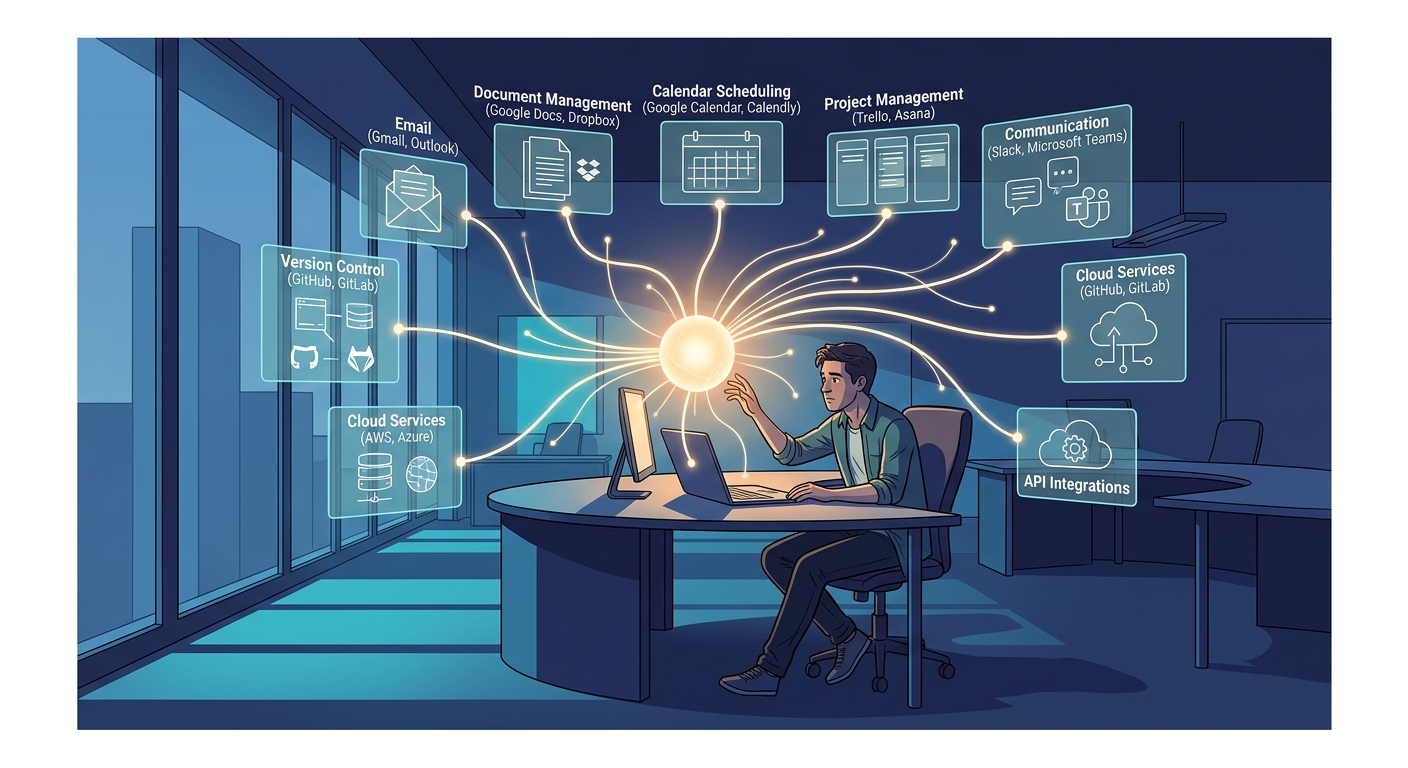
Gemini Spark and the agent-first direction Google announced at I/O changes the competitive landscape for SaaS tools that rely on standalone utility. If Google’s agent can proactively handle tasks across calendar, email, docs, search, and shopping without the user opening a separate app, SaaS products competing in adjacent spaces need to rethink their integration strategies.
The smarter move for SaaS builders right now is becoming a destination that Gemini agents can call into — not a product that competes with them. The SaaS companies that will win in this environment are the ones building APIs and integrations that make them useful to agents, not just to humans.
First-Party Data Is Now a Hard Requirement for SaaS Growth — Not a Nice-to-Have
Why the Tracking Foundation Has to Be Right in 2026
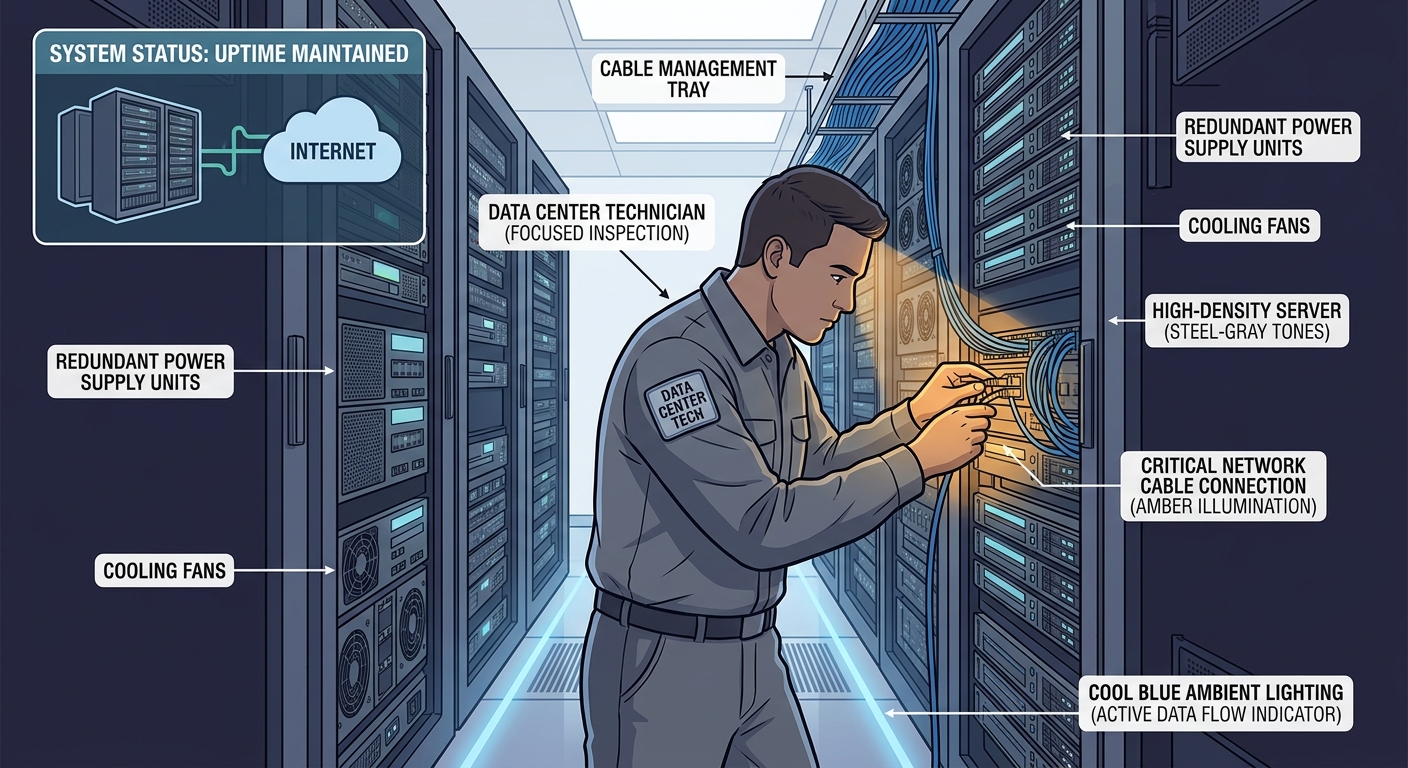
Browser restrictions, consent requirements, and platform-level privacy changes have made old tracking models unreliable. In 2026, first-party data strategy has moved from a technical advantage to a basic operational requirement for SaaS companies that want accurate attribution.
That means server-side event tracking, clean CRM integration, and proper coordination between analytics, paid media, and affiliate platforms. SaaS companies that are still running on cookie-based attribution are seeing their conversion data degrade in real time — and making budget decisions based on increasingly inaccurate numbers.
The Revenue Consequence of Getting This Wrong
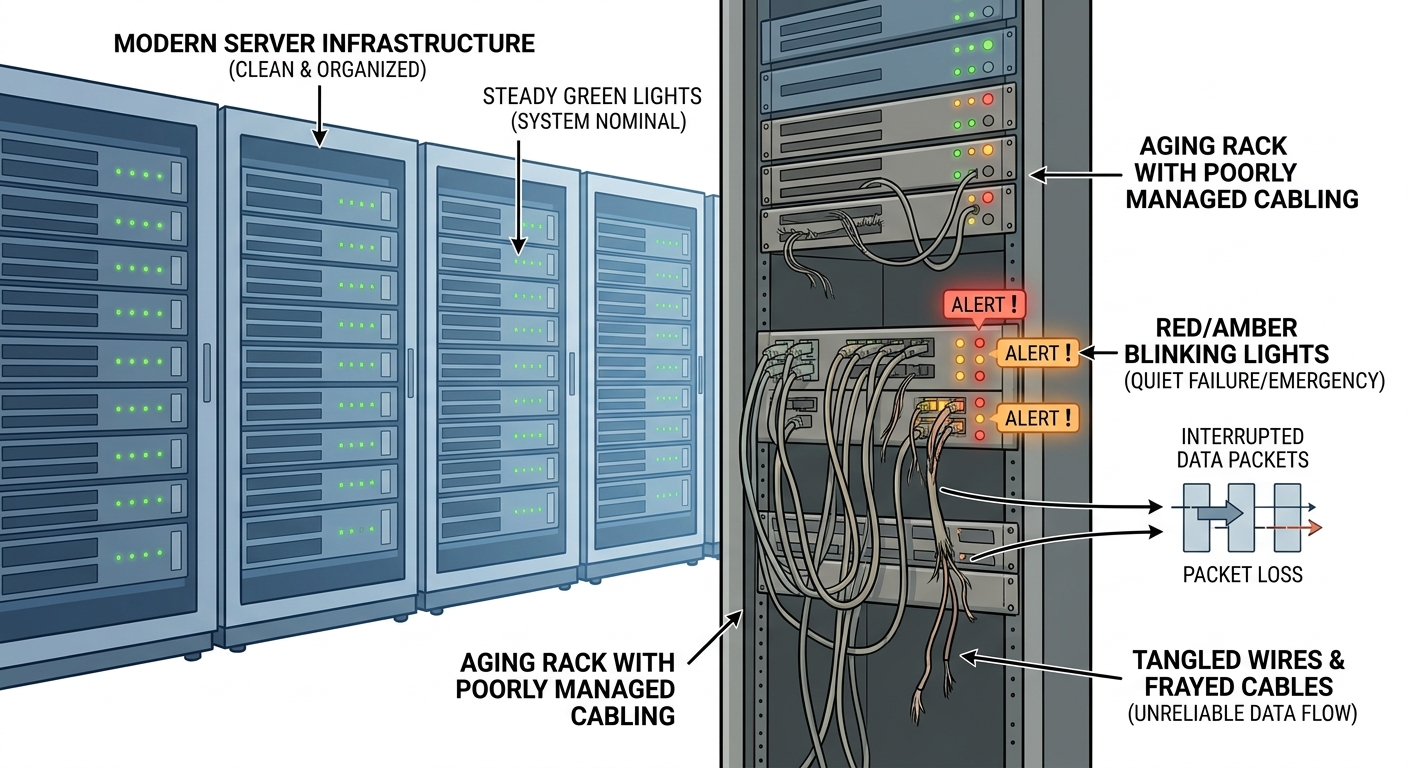
This is not a theoretical problem. When tracking breaks, profitable channels look unprofitable, and budget gets pulled from things that are actually working. SaaS companies with clean first-party data infrastructure are able to defend their affiliate and paid channels with evidence.
The ones without it are flying blind on CAC and making commission and budget decisions based on disputed or incomplete data. The investment to fix this is not small, but the cost of not fixing it — in misdirected spend and lost affiliate relationships — is larger.
Quick Links:
Comments
Be the first to leave a comment.